Member United Nations entities
Central to our coalition are 14 United Nations entities that pool their technical expertise, global networks, and resources to ensure the multilateral system delivers as one at the local level. The Coalition is co-chaired by UN-Habitat and a rotating UN entity (previously UNDP, FAO, and currently UNECE), with the close support of the Executive Office of the Secretary-General (EOSG).
-
United Nations Human Settlements Programme (UN-Habitat)
-
United Nations Economic Commission for Europe (UNECE)
-
Food and Agriculture Organization of the United Nations (FAO)
-
United Nations Development Programme (UNDP)
-
United Nations Environment Programme (UNEP)
-
International Labour Organization (ILO)
-
United Nations Development Coordination Office (UN DCO)
-
United Nations Regional Commissions
-
World Health Organization (WHO)
-
United Nations Refugee Agency (UNHCR)
-
United Nations Department of Economic and Social Affairs (UN DESA)
-
UNICEF
-
International Organization for Migration (IOM)
-
UN Women
-
United Nations Population Fund (UNFPA)
-
United Nations Joint SDG Fund





The UN Directors Group (UNDG)
To turn this collective capacity into coordinated action, and working in close coordination with the Executive Office of the Secretary-General (EOSG) and the UN Joint SDG Fund, director-level representatives from these entities gather in the UN Directors Group (UNDG)—acting as the technical and strategic advisory body that shapes the Coalition's UN-wide priorities.
Established in 2021 following consultations led by the Executive Office of the EOSG, the UN Directors Group coordinates the UN’s collective offer on SDG localization. It works to equip the multilateral system to systematically engage with subnational governments, local actors, businesses, and civil society—incubating innovation and scaling solutions to ensure no one and no place is left behind.
Like the Steering Committee, the UNDG is led by the Coalition's Co-Chairs: UN-Habitat, as the permanent co-chair, and UNECE, as the rotational co-chair (2026–2027).
-
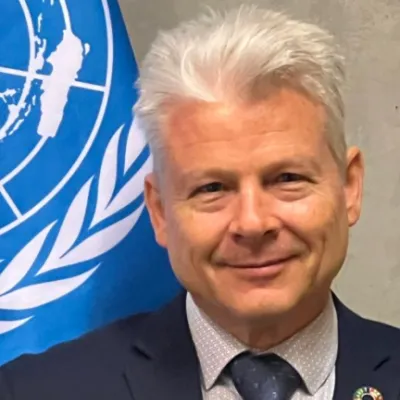
UN-Habitat | Rafael Tuts
Director of the Global Solutions Division of UN-Habitat
-
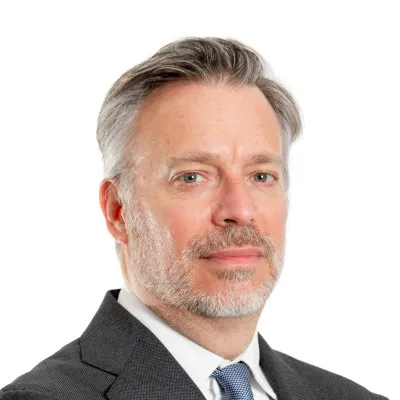
UNECE | Dario Liguti
Director of Sustainable Energy at the United Nations Economic Commission for Europe (UNECE)
-
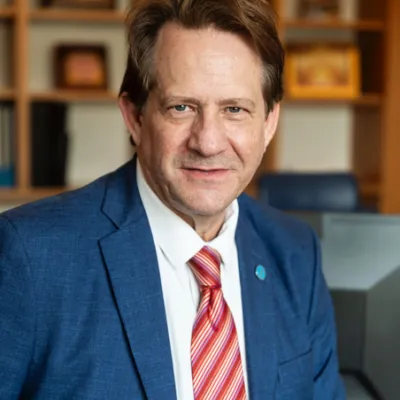
FAO | Carlos Watson
Director of the Office of Sustainable Development Goals at the Food and Agriculture Organization (FAO) and leads the UN Food Systems Coordination Hub
-
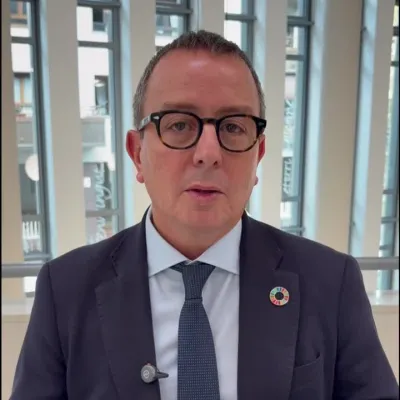
UNDP | Jordi Llopart
Director and Strategic and Partnerships Advisor to the Administrator
-
UN DCO | Helena Fraser
Director of the Policy and Programming Branch at the United Nations Development Coordination Office (DCO)
-
UN ECA | Stephen Karingi
Director of the Macroeconomics, Finance & Governance and Planning Division at the United Nations Economic Commission for Africa (ECA)
-
ILO | Dorothea Schmidt Klau
Chief of the Employment, Labour Markets and Youth Branch
-
IOM | Asmara Achcar
Head of the Member States and Stakeholder Engagement Division
-
UN DESA | Juwang Zhu
Director of the Division for Public Institutions and Digital Government and Acting Director of the Division for Sustainable Development Goals in UN DESA
-
UN Women | Sarah Hendriks
Director of the Programme, Policy and Intergovernmental Division
-
UN Women | Belen Sanz
Regional Director for UN Women Europe and Central Asia
-
UNEP | Ruth Zugman Do Coutto
Acting Chief of the Mitigation Branch in UNEP’s Climate Division
-
UNFPA | Monica Ferro
Chief of the UNFPA London Representation Office
-
UNFPA | Dr. Willibald Zeck
Global Maternal and Newborn Health Thematic Fund Coordinator
-
UNFPA | Julia Bunting Thring
Director of the UNFPA Programme Division
-
UNHCR | Giovanni Bassu
Deputy Director of the New York Liaison Office
-
UNICEF | Gaspar Fajth
Global Director for Social Policy and Social Protection
-
WHO | Dr. Etienne Krug
Director of the Department of Social Determinants de Health at the World Health Organization (WHO)
-
Joint SDG Fund | Lisa Kurbiel
Head of Secretariat for the Joint SDG Fund

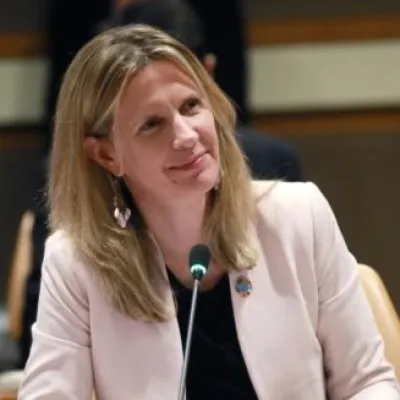
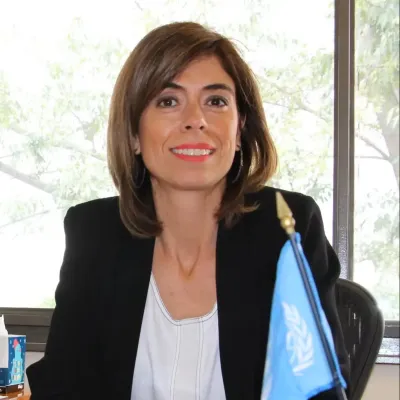
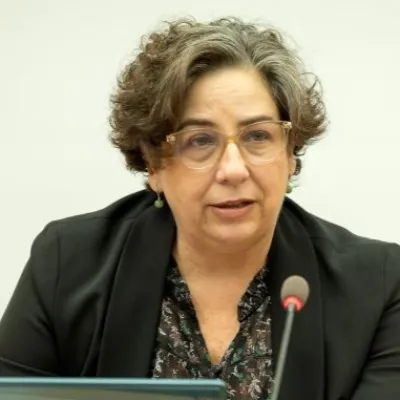
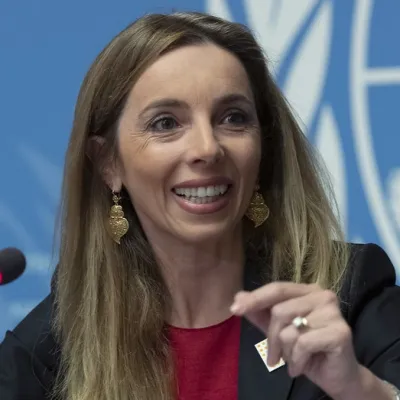


Serving as a key advisory mechanism, the group reviews core Coalition documentation and strategy before submission to the Steering Committee, oversees the monitoring of joint work plans, and supports Secretariat operations through partner engagement and joint resource mobilization. Additionally, it drives global advocacy, strengthens data and knowledge sharing through Local2030 Hubs, and aligns UN agency efforts across headquarters, regional offices, and UN Country Teams to scale impact on the ground.
To ensure long-term policy continuity across the UN system, participating entities commit to mainstreaming SDG localization within their core operations, sharing expertise, and contributing directly to the Coalition's work plan. Membership is maintained through dual representation: a Director-level representative responsible for strategic decision-making and a Technical-level focal point who liaises directly with the Secretariat for daily implementation and follow-up.
The Director's group oversees two complementary Working Groups: Working Group 1 on Localizing the Six SDG Transitions and Working Group 2 on Financing the Six SDG Transitions at the Local Level. Working in alignment, these groups generate evidence, policy guidance, practical tools, and financing approaches to support SDG implementation and localization on the ground.
